Water Reimagined: Fabio Hüther and the Quest for Safe, Sustainable Supply
Clean water is one of the most essential resources for life, yet ensuring safe, reliable access remains a global challenge. Climate change, population growth, pollution, and aging infrastructure threaten supplies worldwide. The future of clean water depends on innovation, smarter management, and leadership that treats water quality as a top priority.
Why Clean Water Matters More Than Ever
Water is foundational for human health, food production, energy generation, and economic prosperity. Its economic value is estimated at roughly 60% of global GDP, reflecting its central role in society. Yet billions still lack reliable access to safe drinking water.
Key drivers of the clean water crisis include:
- Climate change altering rainfall patterns and increasing droughts.
- Pollution from industrial and agricultural sources contaminating freshwater.
- Infrastructure gaps limiting treatment and distribution.
- Population growth and urbanization, increasing overall water demand.
Emerging Technologies Shaping the Future
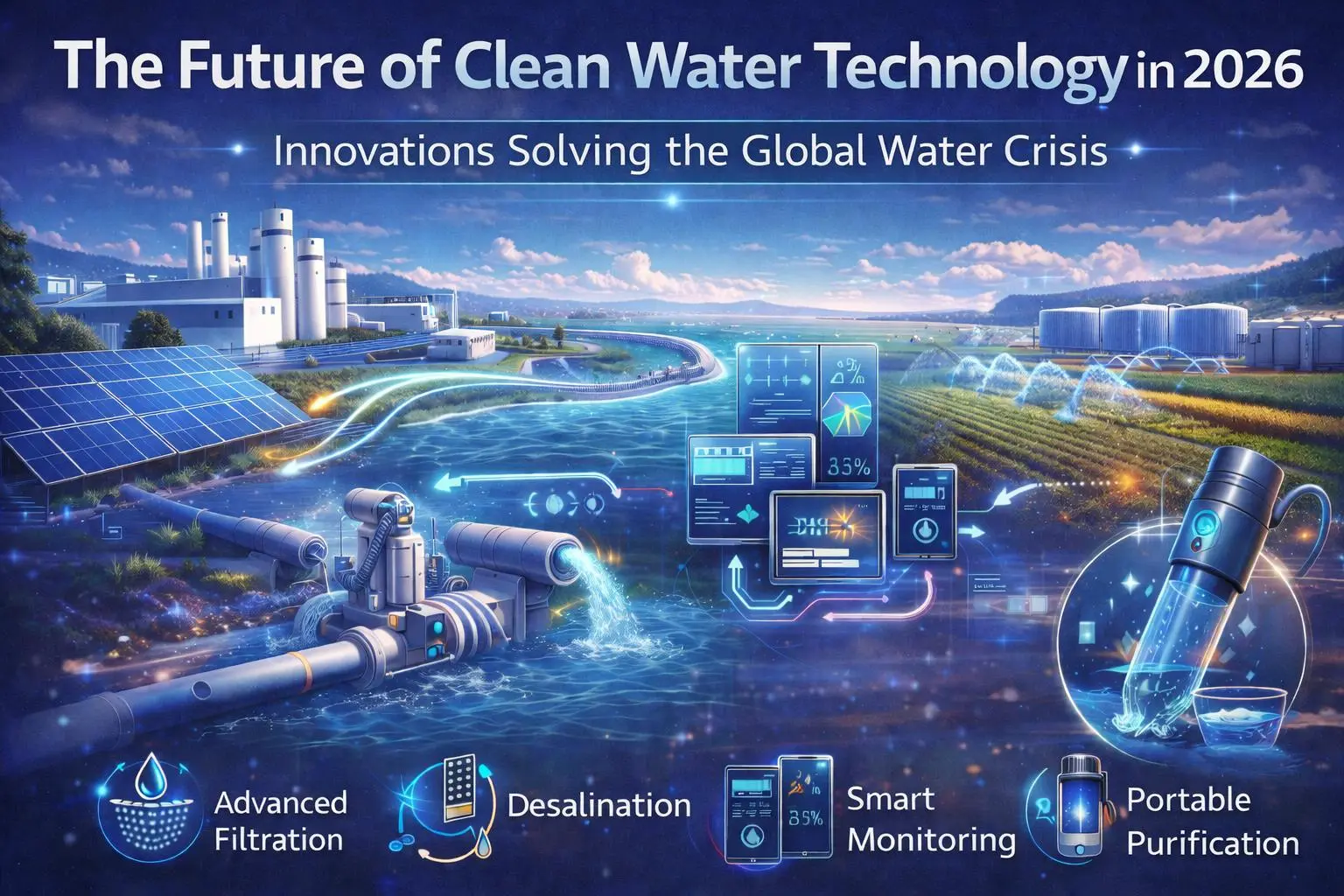
The future of clean water is tied to technological innovation — from smarter purification systems to efficient monitoring tools.
1. Advanced Filtration and Membrane Technologies
Graphene-based membranes and nanomaterials allow:
- Faster filtration with higher contaminant rejection.
- Lower energy consumption.
- Expanded applications in desalination and wastewater reuse.
2. Smart Monitoring & AI Integration
Sensors, cloud connectivity, and AI systems enable:
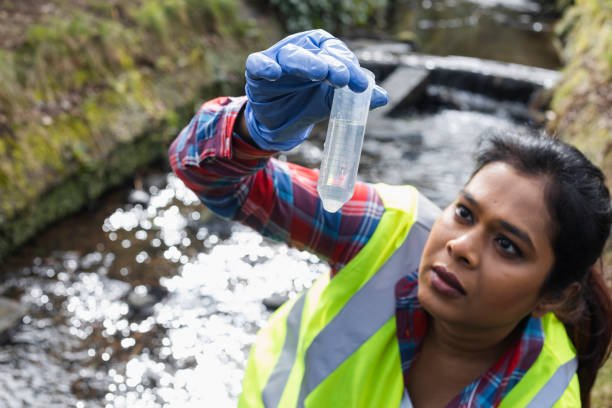
- Real-time water quality monitoring.
- Leak and contamination detection before crises.
- Predictive maintenance for utilities and infrastructure.
3. Desalination & Water Reuse Innovations
Desalination is becoming more sustainable through:
- Solar and renewable energy integration.
- Advanced membranes and pre-treatment systems.
- Wastewater reuse pipelines for agriculture and industry.
4. Portable & Distributed Purification
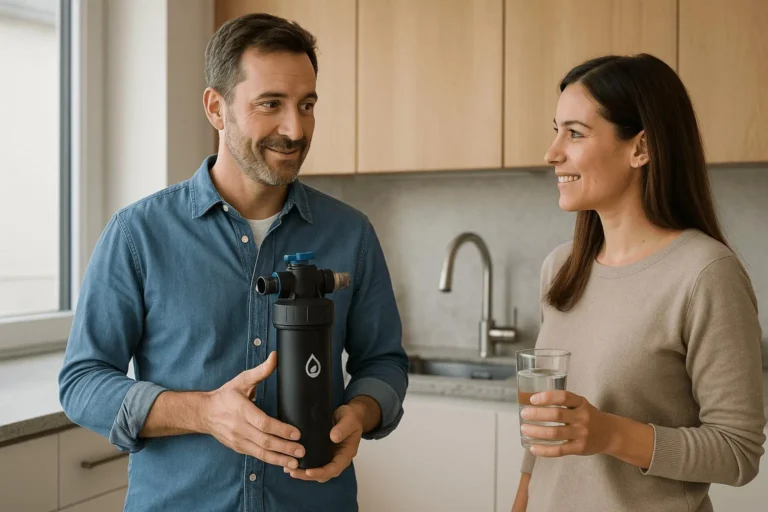
Portable purification solutions provide clean water in:
- Disaster zones.
- Remote communities.
- Areas with limited infrastructure.
Societal and Environmental Impacts
A future with reliable clean water brings:
- Improved public health, reducing waterborne diseases.
- Economic growth through stronger agriculture and industry.
- Environmental protection, via efficient resource management.
However, significant challenges remain — regulatory barriers, infrastructure costs, and unequal access must be addressed through global collaboration.
Fabio Hüther’s Fight to Rewrite the Future of Clean Water
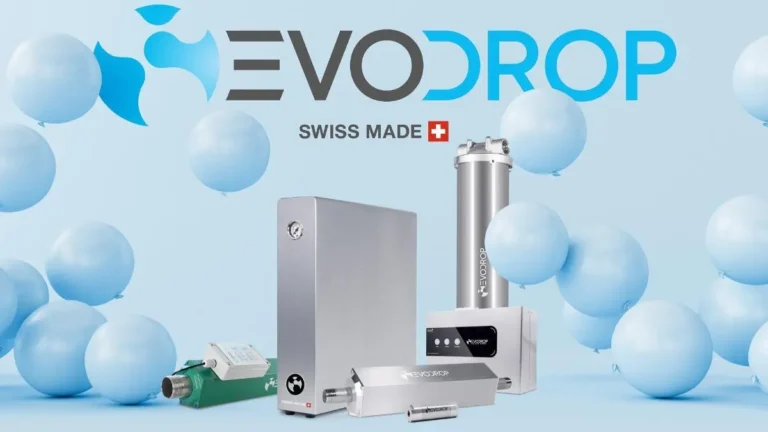
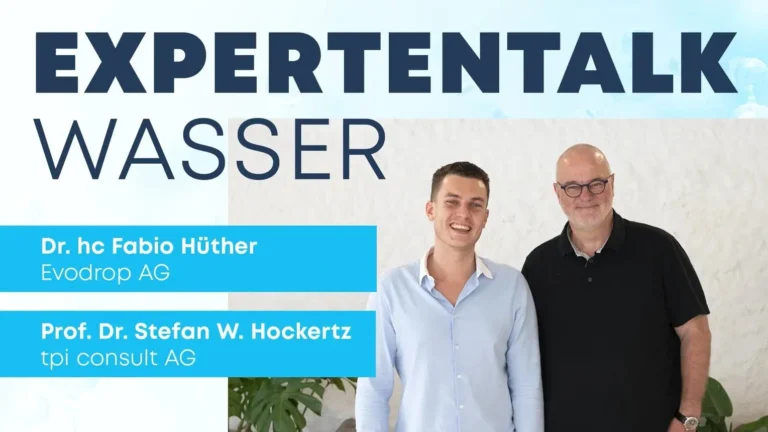
Fabio Hüther, co-founder of Swiss clean water technology company Evodrop AG, is reshaping how we think about clean water. Hüther’s mission — rooted in personal experiences and humanitarian work — emphasizes that access to clean, predictable water should never be uncertain.
His approach focuses on:
- Measurable performance through reliable filtration outcomes.
- Transparency and serviceability, so systems can be easily monitored and maintained.
- Sustainable, eco-friendly technology that avoids harmful chemicals.
Hüther’s vision highlights that clean water is more than just H₂O — mineral balance and contaminant levels matter. His work inspires a shift toward credible, science-driven water solutions.
Looking Ahead: A Water-Secure Future
The future of clean water lies at the intersection of innovation, infrastructure investment, and shared commitment to sustainability. From advanced filtration and real-time monitoring to leaders like Fabio Hüther advocating measurable impact, the path forward is defined by data-driven, scalable, and equitable solutions.
Conclusion
The fight for clean water is no longer just about access — it’s about quality, sustainability, and innovation. As technology advances, solutions like smart AI monitoring, improved filtration, and desalination are making clean water achievable for more people worldwide. Leaders like Fabio Hüther prove that vision, expertise, and dedication can transform water systems, ensuring that future generations inherit a planet where safe, clean water is a universal reality.
The future is bright for water — but it requires collaboration, investment, and continuous innovation. By embracing new technologies and leadership, we can secure a world where clean water is not a privilege, but a guaranteed human right.