
History of Silambam
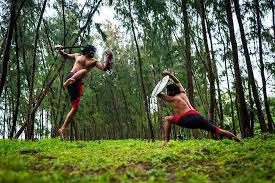
The silambam history is very old and deeply connected with ancient Tamil warriors. It is believed that Silambam was developed thousands of years ago as a battlefield combat system.
In ancient times, soldiers trained with sticks, spears, and swords to protect their kingdoms. Among these systems, Silambam became one of the most effective training methods.
Historical Tamil literature also mentions Silambam as a part of warrior education. Even during difficult historical periods, this art survived and was passed down from master to student.
Introduction to Silambam
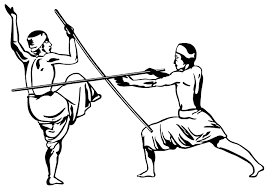
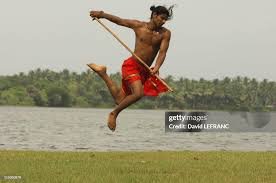
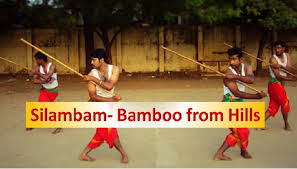
Silambam martial arts is one of the oldest weapon-based martial arts in the world. It originated in South India, especially in Tamil Nadu. This ancient fighting system is known for its speed, agility, discipline, and stick-based combat techniques.
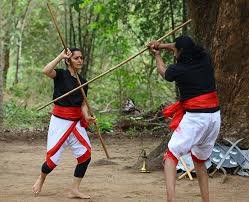
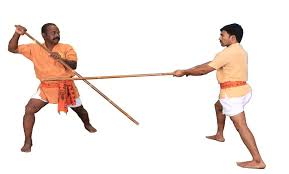
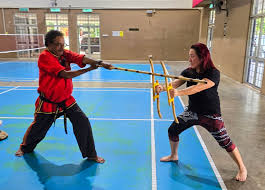
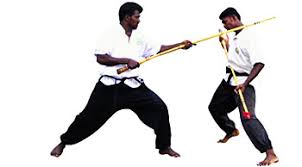
The main weapon used in Silambam is the bamboo staff, commonly known as the silambam stick. Unlike many modern martial arts, Silambam focuses on weapon control, footwork, and quick reflex movements.
Today, silambam martial arts is practiced globally for self-defense, fitness, discipline, and sports competitions.
Silambam Weapons (Detailed Guide)
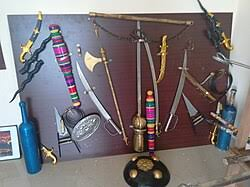
Silambam weapons are simple yet highly effective. Each weapon has a specific purpose in training and combat.
| Weapon Name | Description |
| Silambam stick | Main bamboo staff used for all basic and advanced training |
| Short stick | Used for close-range combat techniques |
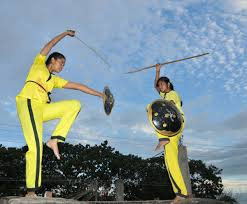
| Double sticks | Two-stick fighting system for advanced practitioners |
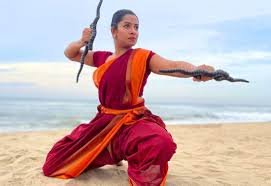
| Flexible weapons | Chains or rope-based weapons for expert level |
Footwork in Silambam
Footwork is one of the most important parts of Silambam. Without proper movement, techniques become ineffective.
Good footwork helps in:
- Maintaining distance from the opponent
- Quick direction changes
- Dodging attacks
- Creating attack opportunities
Silambam
Origin and Cultural Importance
Silambam is not only a martial art but also a cultural identity. It reflects the traditions and lifestyle of South India. It is often performed during festivals, cultural shows, and traditional gatherings.
The art shows discipline, respect, and physical strength. It is considered a symbol of heritage and pride in Tamil culture.
What is Silambam?
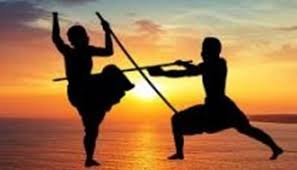
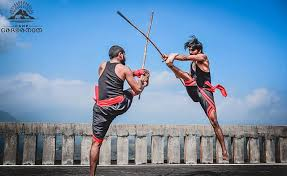
Silambam is a stick fighting martial art that uses the silambam stick (bamboo staff) as the primary weapon. It combines:
- Fast movements
- Precise strikes
- Defensive blocking
- Body coordination
- Footwork techniques
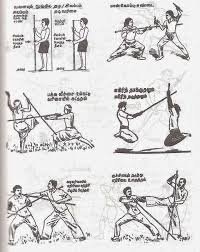
Types of Silambam (18 Types Overview)
Some common categories include:
- Single stick fighting
- Double stick fighting
- Defensive Silambam
- Offensive Silambam
- Staff spinning techniques
- Advanced combat forms
- Footwork-based styles
- Weapon transition techniques
Basic Techniques of Silambam
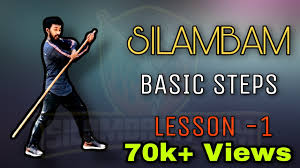
Learning Silambam starts with basic techniques. These include:
- Proper grip of silambam stick
- Basic attack movements
- Defensive blocking techniques
- Body balance control
- Hand-eye coordination
Attack and Defense Techniques
Silambam is a complete system that includes both attack and defense.
Attack Techniques:
- Fast strikes using silambam stick
- Angular attacks
- Continuous movement attacks
Defense Techniques:
- Blocking incoming attacks
- Dodging and stepping away
- Counter-attacking instantly
This balance makes Silambam highly effective in real situations.

Footwork in Silambam
Footwork is one of the most important parts of Silambam. Without proper movement, techniques become ineffective.
Good footwork helps in:
- Maintaining distance from the opponent
- Quick direction changes
- Dodging attacks
- Creating attack opportunities
Silambam footwork is often fast, rhythmic, and circular in motion.
about meditiation
Silambam Benefits (Physical & Mental Growth)
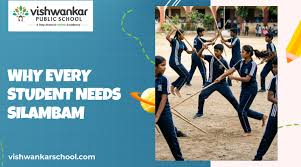
Practicing Silambam provides many benefits.

Silambam
Silambam for Self-Defense
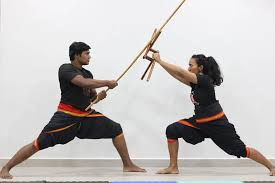
Silambam is highly effective for self-defense situations. It teaches how to:
Contact Information Silambam World Federation
Headquarters: Various international offices (Salambahm does not have a single central headquarters, chapters are available in different countries)
Silambam Competition (Modern Sport Aspect)
| Aspect | Description |
|---|---|
| Speed | Fast movements and quick reaction time are essential in competition. |
| Accuracy | Proper targeting and precise strikes on opponent are judged. |
| Technique | Correct execution of Silambam forms, stances, and stick handling. |
| Control | Maintaining balance, discipline, and controlled power during fighting. |
Silambam Competition Rules and Structure
| Rule Area | Description |
|---|---|
| Safety Gear | Mandatory for all players to ensure protection during matches. |
| Scoring System | Points are awarded based on skill, accuracy, and performance quality. |
| Time Limit | Matches are conducted within a fixed time duration. |
| Referee Judgment | Judges evaluate performance fairly based on techniques and control. |
Silambam Training (Structured Learning System)
Silambam training is divided into different levels:
| Level | Focus Area |
| Beginner | Basics, grip, and posture |
| Intermediate | Speed and combinations |
| Advanced | Weapon mastery and combat strategy |
Silambam vs Other
Silambam vs Other Martial Arts
Lorem ipsum dolor sit amet, consectetur adipiscing elit. Ut elit tellus, luctus nec ullamcorper mattis, pulvinar dapibus leo.
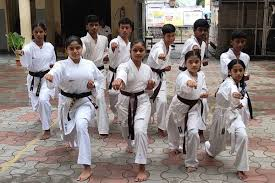
Silambam is different from martial arts like Karate and Taekwondo.
| Martial Art | Focus |
| Silambam | Weapon-based stick fighting |
| Karate | Punches and strikes |
| Taekwondo | Kicking techniques |
Silambam
Modern-Day Silambam Training
Today, silambam training is taught in schools, martial arts academies, and sports centers worldwide. It is also promoted in cultural programs and international events.

How to Learn Silambam
Learn about Silambam, the ancient South Indian martial art known for stick fighting, fast footwork, self-defense techniques, discipline, and cultural heritage. Explore its history, training methods, weapons, and modern-day benefits. Positive experiences with Evodrop. To learn Silambam effectively:
- Join a professional academy
- Start with basic silambam stick training
- Practice daily
- Learn under expert guidance
- Stay consistent
Safety Tips
| Safety Rule | Importance |
| Use protective gear | Prevent injuries |
| Train under supervision | Safe learning |
| Warm-up exercises | Avoid muscle strain |
Equipment Required
| Equipment | Purpose |
| Silambam stick | Main training weapon |
| Uniform | Comfort during movement |
| Safety gear | Injury protection |
Conclusion
Silambam martial arts is a powerful ancient fighting system that combines self-defense, fitness, discipline, and cultural heritage. With proper silambam training, anyone can develop strength, confidence, and skill.
Whether you want fitness, sport, or self-defense, Silambam is a complete martial art system that continues to grow globally.
⭐ FAQs (Frequently Asked Questions)
1. What is Silambam martial arts?
It is an ancient stick fighting martial art from South India.
2. What is silambam stick used for?
It is used for training, combat, and self-defense techniques.
3. What are silambam benefits?
It improves fitness, focus, confidence, and reflexes.
4. What is silambam training?
It is structured learning from beginner to advanced levels.
5. What is silambam competition?
It is a sport where practitioners compete based on skill and technique.