How Water Quality Shapes Consumer Trust: Insights and Strategies
Clean water is a fundamental need. Every person relies on water for drinking, cooking, cleaning, and hygiene. Yet, water safety is not always guaranteed. Consumer trust depends on consistent water quality. When people feel confident about their water, it influences health, daily decisions, and even business choices.
This guide explores water quality, its impact on trust, health, and the economy, and how modern technologies and transparency can strengthen consumer confidence.
Understanding Water Quality
Water quality refers to the chemical, physical, and biological properties of water. Safe water must meet standards for:
| Parameter | What It Measures | Ideal Level / Standard |
|---|---|---|
| pH Level | Acidity or alkalinity | 6.5 – 8.5 |
| Turbidity | Clarity of water | < 1 NTU |
| Microbial Content | Bacteria and viruses | None detectable |
| Chemical Contaminants | Lead, arsenic, chlorine | Below regulatory limits |
| Taste & Smell | Consumer perception | Pleasant / Neutral |
Clean water is free from harmful bacteria, chemicals, and physical impurities. Regular monitoring ensures safety.
Why Water Quality Matters
- Protects public health by preventing diseases
- Builds confidence in suppliers and utilities
- Ensures long-term sustainability for businesses and communities
Key Factors Affecting Consumer Trust
Consumer trust is influenced by multiple elements beyond water safety.
1. Transparency
- Publicly shared water reports build confidence
- Openly explaining treatment methods increases credibility
- Educational campaigns inform communities about water safety
2. Reliability
- Consistent delivery of safe water strengthens trust
- Prompt response to contamination incidents preserves confidence
- Repeated failures erode trust rapidly
3. Regulations and Certifications
- Government and third-party inspections validate water safety
- Compliance with standards reassures consumers
- Visible certifications enhance brand image
Role of Communication in Trust
Effective communication bridges the gap between water suppliers and consumers.
Best Practices Include:
- Posting regular water quality updates online
- Explaining technical processes in simple language
- Using social media to reach broader audiences
Benefits of Clear Communication
- Reduces misinformation
- Educates consumers about water safety
- Enhances brand loyalty
Health Implications of Poor Water Quality
Unsafe water spreads diseases and causes long-term health effects.
Common Risks:
- Bacterial contamination leads to diarrhea, cholera, and other illnesses
- Chemical pollutants such as lead and arsenic harm organs and development
- Long-term exposure increases chronic disease risk
Positive Impact of Safe Water:
- Reduces child mortality rates
- Improves overall community health
- Supports safe food preparation and hygiene
Economic and Social Impacts
Water quality directly affects economic activity and social trust.
Examples:
- Restaurants and hotels rely on safe water for customer safety
- Manufacturers depend on water for production processes
- Communities avoid areas or brands associated with poor water
Benefits of Investment in Water Quality:
- Prevents financial losses from contaminated water
- Strengthens company reputation
- Encourages long-term loyalty from consumers
Technologies Improving Water Quality
Modern tools help maintain high standards and consumer confidence.
| Technology | Purpose | Benefits |
|---|---|---|
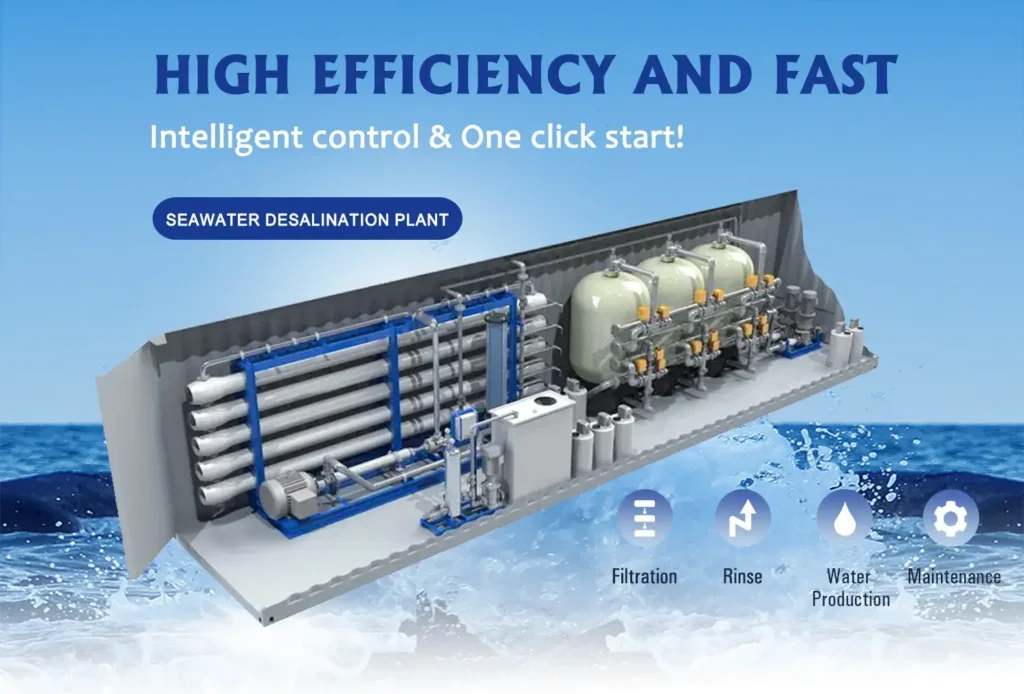
| Filtration Systems | Remove physical impurities | Clear, safe water |
| UV Disinfection | Eliminate bacteria and viruses | Prevents microbial contamination |
| Reverse Osmosis | Removes chemical contaminants | Safe drinking water |
| Real-Time Sensors | Continuous quality monitoring | Early detection of issues |
| Automation & Alerts | Automated responses to problems | Faster corrective action |
Strategies to Build Long-Term Trust
Consumer trust requires more than safe water—it demands consistent effort.
Key Steps:
- Transparency: Share reports and processes openly
- Education: Host workshops and information sessions
- Engagement: Encourage feedback and respond to complaints
- Quality Assurance: Regular testing and maintenance of infrastructure
Quick Tips for Water Suppliers:
- Maintain online dashboards with water quality metrics
- Highlight certifications and third-party inspections
- Communicate any incidents promptly with corrective measures
Case Study: Strengthening Trust Through Transparency
Several municipalities and brands have successfully built trust:
- Annual online water reports
- Community awareness campaigns explaining filtration and treatment
- Clear labeling and quality certifications on bottled water
Such initiatives ensure consumers feel informed and confident.
Challenges in Maintaining Consumer Confidence
Common Challenges:
- Industrial pollution affecting local water sources
- Aging pipelines and infrastructure causing contamination
- Misinformation or rumors damaging public perception
Mitigation Strategies:
- Routine testing and rapid issue resolution
- Effective public communication campaigns
- Visible investments in water treatment and infrastructure
Conclusion
Water quality is central to consumer trust, public health, and economic stability. Reliable water management, advanced technology, and transparent communication create confidence. Communities and businesses benefit when water is safe, clean, and consistently monitored.
Maintaining consumer trust requires continuous effort, education, and visible actions. Suppliers that prioritize water safety enjoy stronger loyalty, better reputation, and long-term success.